
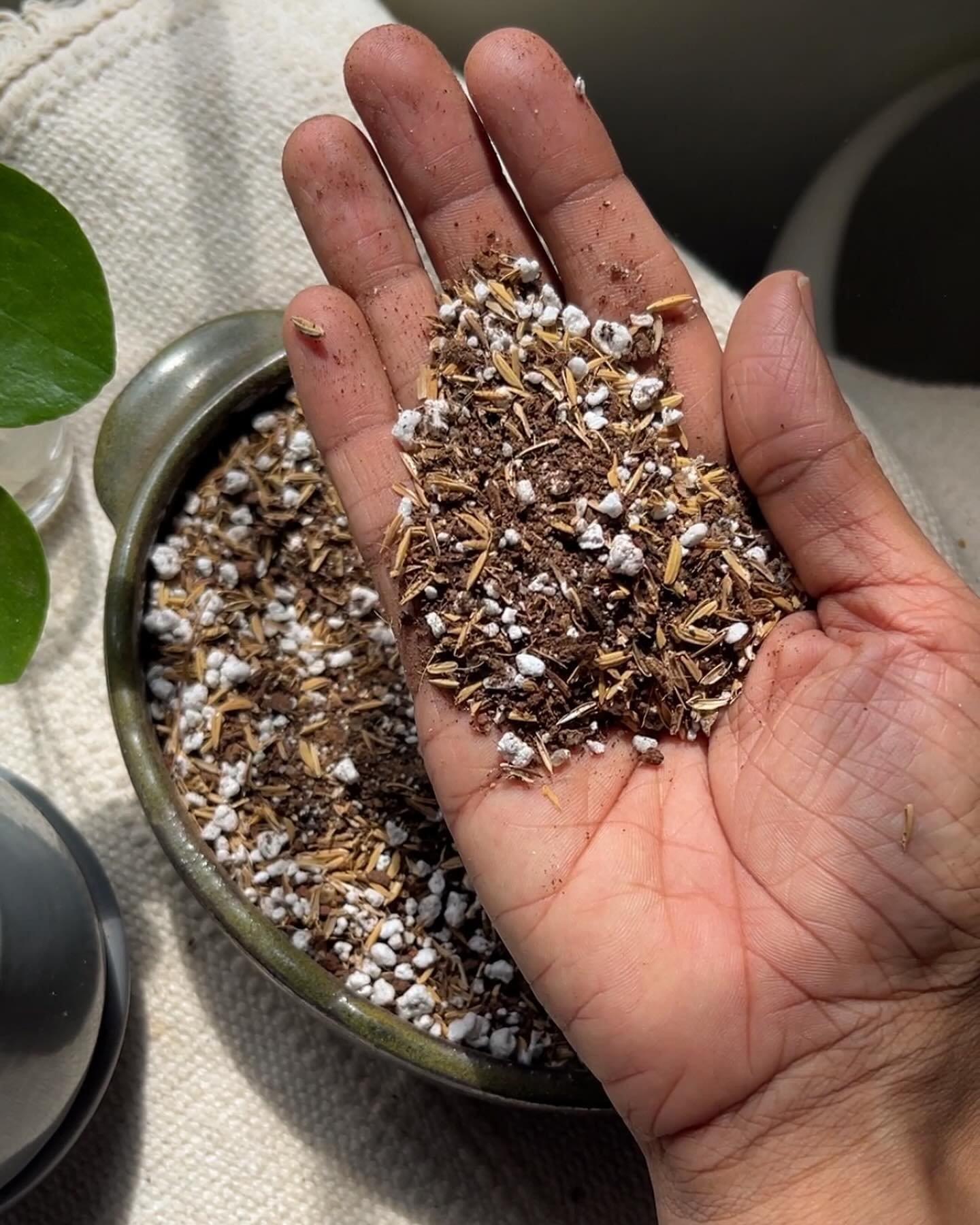
To maximize soil health, test it for nutrient levels and pH balance. Analyze to address deficiencies. Enhance fertility by incorporating organic matter and helpful microorganisms. Rotate crops to reduce pests and maintain soil balance. Use cover crops to prevent erosion and enrich soil. Manage moisture wisely with appropriate irrigation and monitoring. By implementing these practices, you can boost soil health sustainably.
Importance of Soil Health
Understanding why soil health is essential can greatly impact the success of your agricultural endeavors. Healthy soil provides necessary nutrients for your crops, supports root systems, and helps retain water, promoting better plant growth. By focusing on soil health, you’re investing in the foundation of your agricultural operations.
When soil is healthy, it can better resist erosion, reduce the need for chemical fertilizers, and support a diverse ecosystem of beneficial organisms. This means healthier plants, higher yields, and long-term sustainability for your farm.
Moreover, healthy soil plays an important role in mitigating climate change by sequestering carbon dioxide from the atmosphere. By caring for your soil, you aren’t only benefiting your crops but also contributing to environmental conservation efforts.
In essence, prioritizing soil health isn’t just about improving your agricultural outcomes; it’s about stewarding the land and leaving a positive impact for future generations. So, remember, nurturing your soil is a key aspect of serving both your community and the environment.
Soil Testing and Analysis
To evaluate the health of your soil accurately, conducting regular soil testing and analysis is essential. Soil testing provides important insights into the nutrient levels, pH balance, and overall quality of your soil. By analyzing soil samples, you can identify deficiencies or excesses that may be affecting plant growth. Testing also helps determine the most suitable fertilizers or soil amendments needed to optimize soil health.
To perform a soil test, collect samples from various areas of your garden or field, ensuring they represent different soil conditions. You can then send these samples to a reputable soil testing laboratory for analysis. The results will guide you in making informed decisions about soil management practices, such as adjusting nutrient applications or pH levels.
Enhancing Soil Fertility Naturally
For naturally enhancing soil fertility, consider incorporating organic matter and beneficial microorganisms into your soil management practices.
Organic matter, such as compost and manure, is rich in essential nutrients that can improve soil structure and promote microbial activity. These nutrients are slowly released into the soil, providing a sustainable source of nourishment for your plants.
Beneficial microorganisms, like mycorrhizal fungi and nitrogen-fixing bacteria, play an important role in enhancing soil fertility by aiding in nutrient uptake and cycling. By introducing these microorganisms into your soil, you can create a more balanced and resilient ecosystem that supports plant growth.
Incorporating organic matter and beneficial microorganisms not only boosts soil fertility but also helps maintain soil health in the long run. These natural methods of enhancing soil fertility are sustainable, environmentally friendly, and cost-effective. By taking care of your soil in this way, you aren’t only serving your plants but also contributing to the health of the broader ecosystem.
Implementing Crop Rotation
Consider diversifying your crop selection and rotating different plant species in your fields to implement an effective crop rotation strategy. Crop rotation is a powerful technique that can benefit your soil health by reducing pests and diseases, improving soil structure, and enhancing nutrient availability. By alternating crops each season, you can break pest cycles, prevent soil depletion, and promote overall soil balance.
When planning your crop rotation, think about the specific needs of each plant species and how they can complement each other. For example, legumes like peas and beans are known for their nitrogen-fixing abilities, which can boost soil fertility for subsequent crops. Rotating these with heavy feeders like corn or tomatoes can help maintain soil nutrient levels and reduce the need for external inputs.
Furthermore, rotating crops with varying root structures can improve soil aeration and prevent soil compaction. Deep-rooted crops like carrots or radishes can break up compacted soil layers, while shallow-rooted plants like lettuce or spinach help with moisture retention and erosion control. By implementing a thoughtful crop rotation plan, you can maximize soil health and optimize crop yields sustainably.
Utilizing Cover Crops Effectively
Enhance your soil health by effectively utilizing cover crops in your agricultural practices. Cover crops are non-cash crops grown primarily to benefit the soil rather than for harvest. They play a vital role in soil health by preventing erosion, suppressing weeds, improving water infiltration, and enhancing nutrient cycling.
Legumes like clover and vetch can fix nitrogen from the air, enriching the soil for subsequent crops. Grasses such as rye and oats help in reducing soil compaction and increasing organic matter content.
To maximize the benefits of cover crops, consider planting a diverse mix that complements your primary crops and addresses specific soil needs. Timing is key – plant cover crops during periods when the soil would otherwise be bare to maximize their impact. When it comes time to terminate the cover crops, choose methods like rolling or mowing that leave the soil surface covered to prevent erosion.
Managing Soil Moisture Levels
To effectively manage soil moisture levels, implement strategic irrigation practices based on your crop’s water needs and the soil’s characteristics. Understanding the water requirements of your specific crops is essential. Different plants have varying needs, so tailor your irrigation schedule accordingly. Factors such as soil type, drainage, and weather patterns also play a role in determining how much water your soil retains.
Regularly monitor soil moisture levels to make sure they remain within the ideal range for your crops. Overwatering can lead to waterlogging, which deprives plants of oxygen and can cause root rot. Conversely, underwatering can stress plants and hinder their growth. Utilize tools like soil moisture meters to gauge when it’s time to water your crops.
Consider employing techniques such as mulching to help retain soil moisture and reduce evaporation. Mulch acts as a protective barrier, keeping the soil cool and preventing water loss. By being attentive to your crop’s water needs and the condition of your soil, you can effectively manage soil moisture levels for the best plant growth and health.
Frequently Asked Questions
Can Excessive Use of Chemical Fertilizers Harm Soil Health in the Long Run?
Proper utilization of chemical fertilizers can indeed harm soil health in the long run. These fertilizers can lead to nutrient imbalances, soil acidity, and reduction in beneficial microorganisms. Over time, this can degrade soil structure and fertility, impacting plant growth.
Utilizing fertilizers judiciously and considering organic alternatives is crucial to support long-term soil health and sustainability. Balancing nutrient inputs and promoting natural soil processes can help maintain a healthy soil ecosystem.
Are There Any Specific Plants or Crops That Can Help Improve Soil Structure?
To improve soil structure, consider incorporating cover crops like legumes such as clover or alfalfa. These plants help fix nitrogen in the soil and add organic matter when they decompose.
Additionally, deep-rooted crops like radishes or daikon can break up compacted soil layers, improving drainage and aeration. By rotating these plants in your fields, you can enhance soil health and fertility over time.
How Can I Prevent Soil Erosion on My Property?
To prevent soil erosion on your property, consider planting cover crops, building terraces, and using mulch or ground cover.

Cover crops like clover or grass help hold soil in place.
Terraces help slow down water runoff, reducing erosion.
Mulch and ground cover protect soil from direct impact of raindrops.
These methods can help maintain soil health and prevent erosion, preserving your property’s landscape.
Is It Possible to Overwater Soil and How Does It Affect Soil Health?
Yes, it’s possible to overwater soil, which can have negative effects on soil health. Excessive watering can lead to waterlogging, reducing oxygen levels in the soil and causing root suffocation.
This can hinder plant growth and nutrient uptake, ultimately impacting soil health. Proper drainage and monitoring of moisture levels are essential to prevent overwatering and maintain a healthy soil environment for best plant growth.
What Are Some Natural Ways to Control Pests and Diseases in the Soil Without Using Harmful Chemicals?
To naturally control pests and diseases in soil without harmful chemicals, you can introduce beneficial insects like ladybugs or nematodes that prey on harmful pests. Planting diverse crops can also disrupt pest cycles, while maintaining proper soil health through composting and crop rotation boosts plant immunity.
Physical barriers like row covers can protect plants, and using organic mulch can deter pests. These methods promote a healthy soil ecosystem and reduce the need for synthetic chemicals.
Conclusion
In summary, maximizing soil health is essential for sustainable agriculture.
By conducting soil testing and analysis, enhancing soil fertility naturally, implementing crop rotation, utilizing cover crops effectively, and managing soil moisture levels, farmers can guarantee ideal conditions for plant growth and yield.
Taking these steps won’t only benefit the environment but also improve the overall productivity and resilience of the land.
Prioritizing soil health is a key aspect of successful farming practices.


